Kathmandu-Based Rights Activists Demand Independent Inquiry into Bhutanese Political Prisoner’s Death in Custody
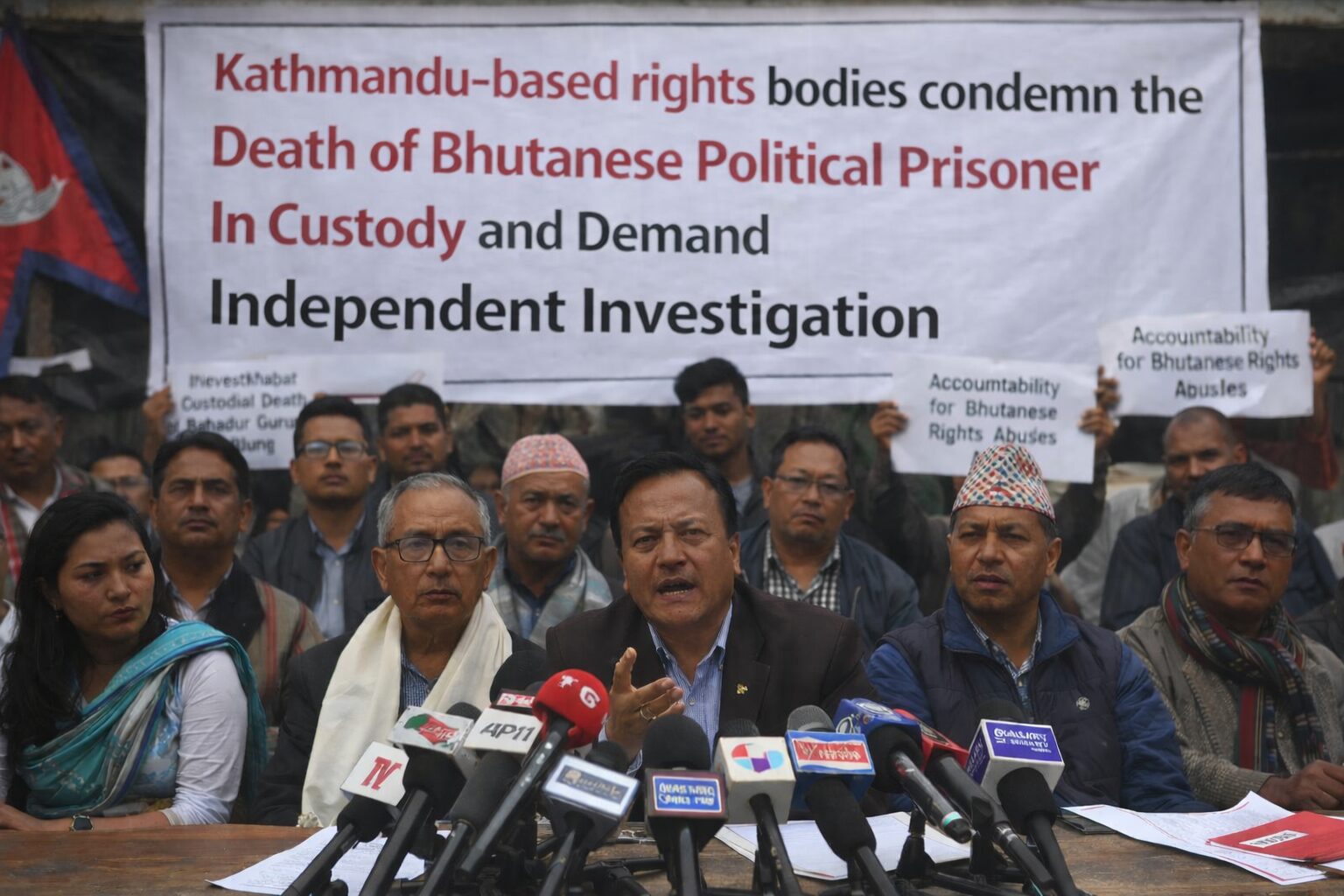
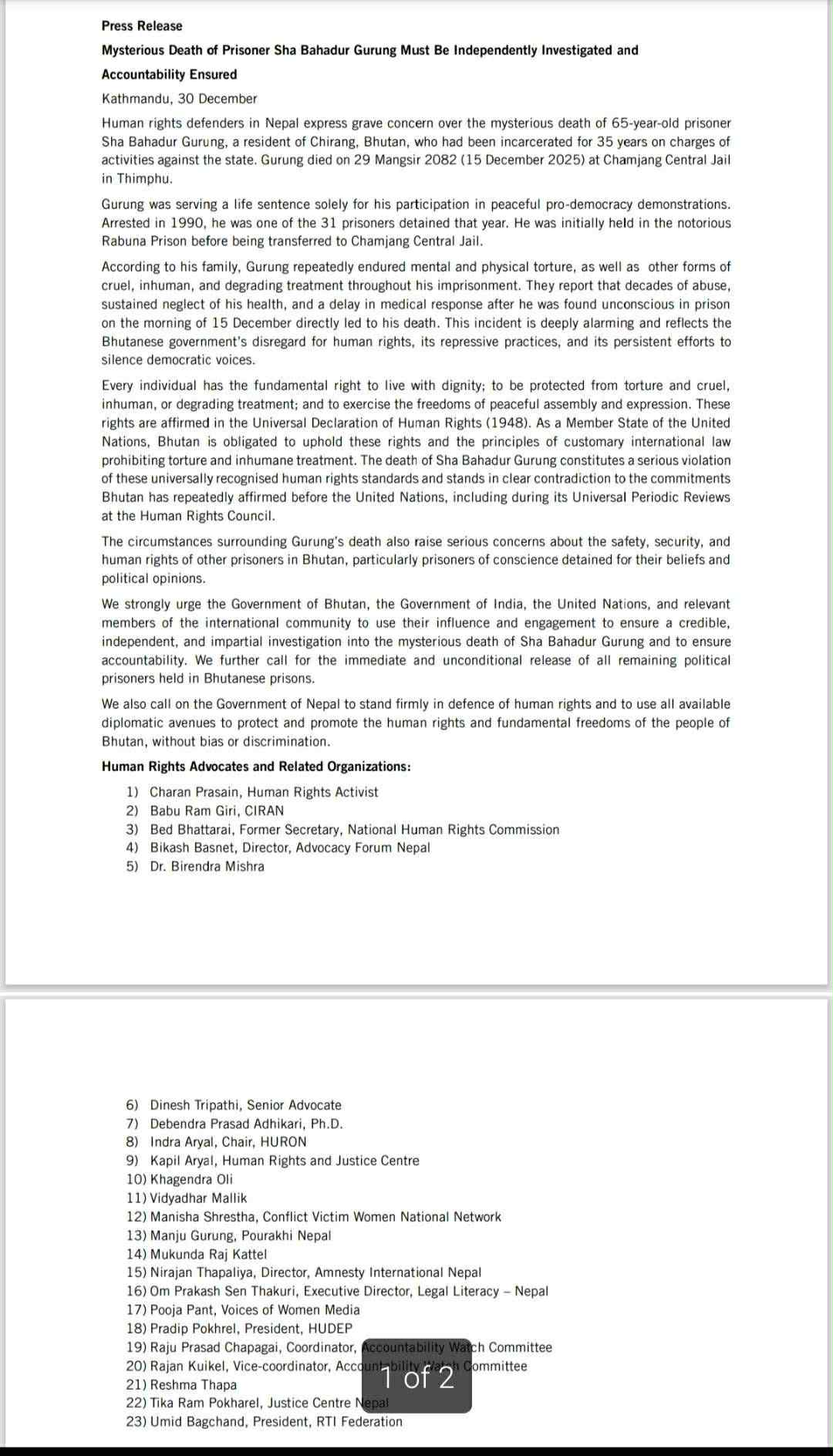
Human rights advocates in Nepal have called for an independent and impartial investigation into the death of 65-year-old Bhutanese political prisoner Sha Bahadur Gurung, who died earlier this month while serving a life sentence in Bhutan.
Gurung, a resident of Chirang, Bhutan, had been imprisoned for 35 years over his participation in peaceful pro-democracy protests. Arrested in 1990 along with dozens of others, he was initially detained in Rabuna Prison before being transferred to Chamjang Central Jail in Thimphu, where he died on 15 December.
According to his family and human rights defenders, Gurung suffered years of physical and mental torture, degrading treatment, and poor prison conditions. They allege that sustained neglect and a delayed medical response after he was found unconscious contributed directly to his death. Activists say the incident highlights Bhutan’s continued suppression of democratic voices and disregard for basic human rights.
Campaigners argue that Gurung’s death violates internationally recognised human rights standards, including protections against torture and the right to dignity enshrined in the Universal Declaration of Human Rights. They have also expressed concern for the welfare of other political prisoners in Bhutan, warning that their safety and security may be at risk.
In a joint appeal, human rights defenders urged the Government of Bhutan, the Government of India, the United Nations, and the wider international community to ensure a credible and independent investigation, along with full accountability. They further demanded the immediate release of all remaining political prisoners in Bhutan.
The statement also called on the Government of Nepal to take a firmer stance in support of human rights and to use diplomatic channels to protect the rights and freedoms of Bhutanese citizens.
The appeal has been endorsed by a wide range of Nepali human rights activists, lawyers, former officials, civil society leaders, and organisations, including former National Human Rights Commission Secretary Bed Bhattarai, Amnesty International Nepal representatives, and leaders from several justice and advocacy groups.
Advocates say Gurung’s death should serve as a “serious wake-up call” and insist that accountability and justice are essential to prevent future abuses